
Top ERP Solutions for Educational Institutions: Unlocking the Power of Education ERP Software
Managing an educational institution is no small feat. From admissions and attendance to fee management and academic records, the daily operations can quickly become overwhelming. That’s where education ERP software steps in. These systems streamline processes, reduce manual work, and provide a centralized platform for managing all aspects of an institution. In this post, I’ll walk you through the top ERP solutions designed specifically for educational institutions, highlighting their features, benefits, and how they can transform your school or college.
Why Choose Education ERP Software for Your Institution?
Education ERP software is tailored to meet the unique needs of schools, colleges, and universities. Unlike generic ERP systems, these platforms focus on academic workflows, student management, and administrative tasks. Here’s why investing in education ERP software is a smart move:
Centralized Data Management: All student, staff, and academic data is stored in one place, making it easy to access and update.
Automation of Routine Tasks: Automate attendance tracking, fee collection, timetable scheduling, and more.
Improved Communication: Facilitate seamless communication between teachers, students, parents, and administrators.
Real-Time Reporting: Generate instant reports on student performance, financials, and operational metrics.
Cloud-Based Access: Many solutions offer cloud hosting, enabling access anytime, anywhere.
By adopting education ERP software, institutions can focus more on delivering quality education and less on paperwork and administrative hassles.

Top Features to Look for in Education ERP Software
When selecting an ERP system for your institution, it’s important to consider features that align with your operational needs. Here are some must-have features:
Student Information System (SIS)
Manage student profiles, enrollment, attendance, grades, and disciplinary records efficiently.
Fee and Finance Management
Automate fee collection, generate invoices, track payments, and manage scholarships or discounts.
Timetable and Exam Scheduling
Create and manage class schedules, exam timetables, and room allocations with ease.
Library Management
Track book inventories, issue/return records, and overdue notices.
Human Resource Management
Handle staff recruitment, payroll, leave management, and performance appraisals.
Communication Tools
Integrated messaging systems for announcements, alerts, and parent-teacher communication.
Mobile Accessibility
Mobile apps or responsive portals for students, teachers, and parents to stay connected on the go.
Analytics and Reporting
Customizable dashboards and reports to monitor academic progress and operational efficiency.
Choosing software with these features ensures your institution runs smoothly and stays ahead in today’s competitive education landscape.
What are the benefits of ERP in educational institutions?
Implementing an ERP system brings a host of benefits that directly impact the efficiency and effectiveness of educational institutions. Here’s what you can expect:
Enhanced Productivity
Automating repetitive tasks frees up staff time, allowing them to focus on more strategic activities.
Data Accuracy and Security
Centralized data reduces errors and ensures sensitive information is protected with role-based access controls.
Better Decision Making
Real-time data and analytics empower administrators to make informed decisions quickly.
Cost Savings
Reducing paperwork and manual processes lowers operational costs over time.
Improved Student Experience
Faster access to information, transparent fee management, and timely communication enhance satisfaction.
Regulatory Compliance
ERP systems help maintain compliance with educational standards and government regulations by keeping accurate records.
By leveraging these benefits, institutions can create a more organized, transparent, and student-centric environment.
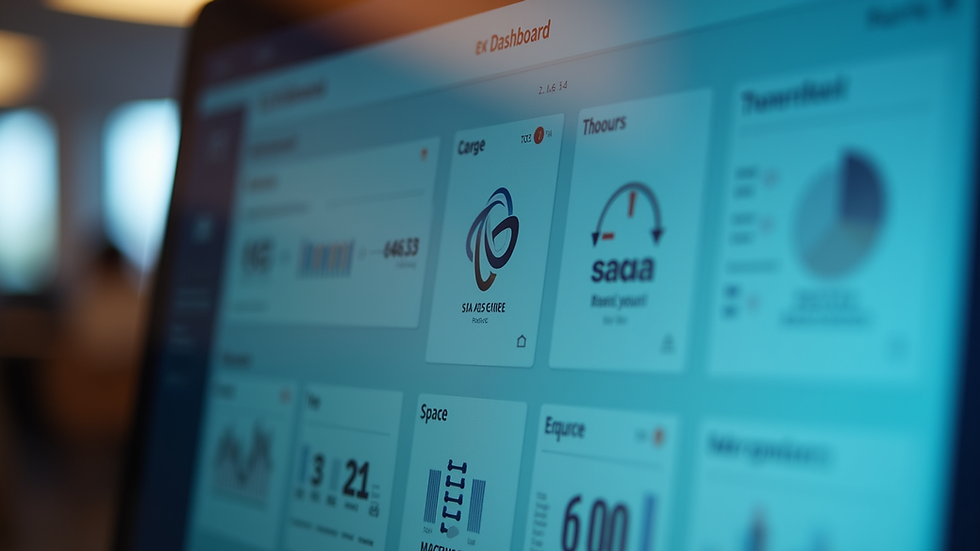
Leading ERP Solutions for Educational Institutions
There are many ERP solutions available, but some stand out for their comprehensive features and user-friendly interfaces. Here are a few top contenders:
1. Cloud-Based All-in-One Platforms
Cloud-based ERP solutions offer flexibility and scalability. They eliminate the need for heavy IT infrastructure and provide secure access from anywhere. These platforms typically include modules for admissions, attendance, fee management, exams, and more.
2. Customizable Modular Systems
Some ERP providers offer modular systems that allow institutions to pick and choose the features they need. This approach is cost-effective and ensures the software grows with your institution.
3. Mobile-First ERP Solutions
With increasing mobile usage, ERP systems with dedicated mobile apps for students, teachers, and parents are gaining popularity. These apps provide instant notifications, attendance updates, and fee reminders.
4. Integrated Learning Management Systems (LMS)
Certain ERP solutions integrate LMS capabilities, enabling institutions to manage online courses, assignments, and assessments within the same platform.
When evaluating ERP options, consider your institution’s size, budget, and specific requirements. A well-chosen ERP system can be a game-changer.
How to Successfully Implement ERP in Your Institution
Implementing an ERP system requires careful planning and execution. Here are some practical steps to ensure success:
Assess Your Needs
Conduct a thorough analysis of your current processes and identify pain points.
Involve Stakeholders
Engage teachers, administrative staff, and IT personnel early to gather input and build buy-in.
Choose the Right Vendor
Look for providers with experience in the education sector and strong customer support.
Plan for Training
Organize comprehensive training sessions to help users adapt to the new system.
Data Migration and Testing
Ensure accurate migration of existing data and conduct thorough testing before going live.
Monitor and Optimize
Continuously monitor system performance and gather feedback to make improvements.
By following these steps, you can minimize disruptions and maximize the benefits of your new ERP system.
Empower Your Institution with the Right ERP Solution
In today’s fast-paced educational environment, having a reliable and efficient management system is essential. The right education ERP software can transform your institution by simplifying daily operations, improving communication, and providing valuable insights.
If you’re looking to upgrade your institution’s management capabilities, consider exploring erp solutions for educational institutions that offer cloud-based, all-in-one platforms designed to meet your unique needs. These solutions empower schools and colleges to focus more on teaching and less on paperwork.
Investing in a robust ERP system is an investment in your institution’s future success. Take the first step today and unlock the full potential of your educational institution.
Thank you for reading! Feel free to share your experiences or questions about education ERP software in the comments below.



Comments